Smart Test Maintenance: Reducing Automation Flakiness with AI
In the fast-paced world of software development, ensuring the reliability of automated tests is paramount. However, many teams face the persistent challenge of flaky tests—those that yield inconsistent results, causing confusion and inefficiency. As we delve into the realm of smart test maintenance, we will explore how artificial intelligence (AI) can significantly reduce automation flakiness, enhance test stability, and streamline the testing process.
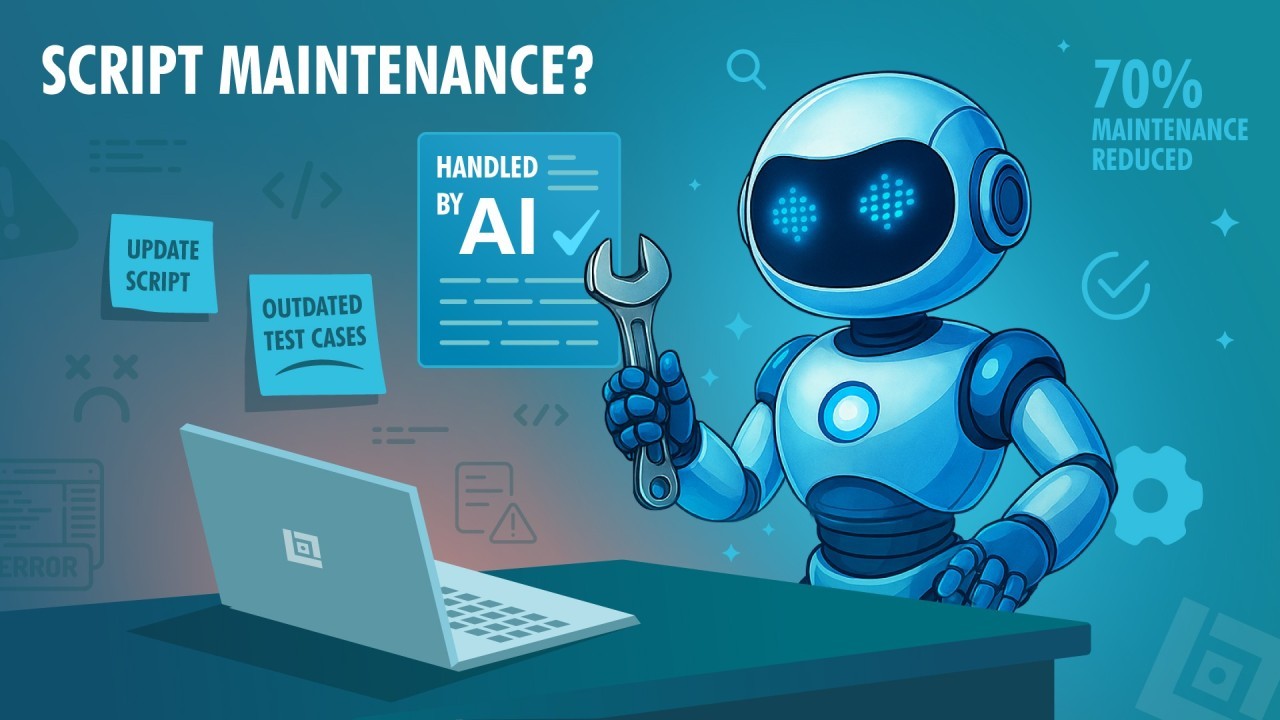
Image Source: LinkedIn
Understanding Flaky Tests
Flaky tests are a common headache for quality assurance (QA) teams. These tests may pass on one execution and fail on another, despite no changes to the underlying code. This unpredictability can lead to wasted time and resources, as teams often find themselves investigating failures that are not indicative of actual bugs.
Causes of Flaky Tests
Several factors contribute to the emergence of flaky tests:
-
External Dependencies: Tests that rely on external systems, such as APIs or databases, can fail if those systems are unstable or unavailable.
-
Timing Issues: Automated tests may fail due to timing discrepancies, such as waiting for a resource to become available or for a process to complete.
-
Environmental Factors: Changes in the testing environment, such as server load or network conditions, can lead to inconsistent results.
Understanding these root causes is essential for implementing effective solutions.
The Role of AI in Test Maintenance
Artificial intelligence offers promising solutions to combat flaky tests. By leveraging machine learning (ML) algorithms, teams can gain insights into test behavior and identify patterns that lead to failures.
Predictive Analytics
AI tools can analyze historical test data to predict which tests are likely to fail under specific conditions. By recognizing patterns in test execution, teams can proactively address potential issues before they escalate.
Self-Healing Scripts
One of the most exciting advancements in AI-driven testing is the development of self-healing scripts. These scripts automatically adjust to changes in the application’s user interface or environment, reducing the need for manual updates. This capability not only saves time but also enhances the reliability of automated tests.
Enhancing Test Stability with AI
To achieve greater test stability, organizations can implement several AI-driven strategies.
Automated Test Data Generation
Having accurate and relevant test data is crucial for reliable testing. AI can generate realistic datasets by analyzing patterns from production data and user behavior. This ensures that tests remain relevant as applications evolve, reducing the likelihood of flaky tests.
Anomaly Detection
AI-powered tools can monitor test execution data in real-time, identifying anomalies that may indicate potential failures. By flagging these anomalies, teams can investigate and resolve issues before they impact the testing process.
Streamlining Test Maintenance Processes
AI not only helps in identifying and fixing flaky tests but also streamlines the overall test maintenance process.
Visual AI for Test Validation
Visual AI tools can replace numerous coded assertions with a single visual checkpoint that mimics human perception. This approach allows teams to validate entire UI states, detecting layout shifts and missing elements automatically. By consolidating validations, teams can reduce review time and minimize false positives.
Ultrafast Grid Execution
Running tests across multiple browsers and devices can be time-consuming. The Ultrafast Grid technology allows teams to execute a single test once and validate results across all browser and device combinations in parallel. This significantly speeds up the testing process and enhances efficiency.
Best Practices for Implementing AI in Test Maintenance
To maximize the benefits of AI in test maintenance, organizations should consider the following best practices:
Start with Data Collection
AI tools require substantial historical test data to train their models effectively. Gathering comprehensive data from previous test runs, including logs and execution times, is essential for accurate predictions.
Choose the Right AI Tool
Different AI tools offer varying features and capabilities. Organizations should select tools that align with their specific needs, such as machine learning-based failure prediction and integration with existing CI/CD pipelines.
Pilot the AI Tool
Before fully integrating AI into the testing pipeline, it’s wise to pilot the tool with a small set of tests. This allows teams to assess its performance and accuracy in identifying flaky tests and their root causes.
Real-World Applications of AI in Test Maintenance
Several organizations have successfully implemented AI-driven solutions to enhance test maintenance and reduce flakiness.
Case Study: E-Commerce Platform
A leading e-commerce platform faced frequent flaky tests due to external dependencies, such as API calls to payment gateways. By integrating an AI-powered test automation tool, the company was able to predict failures related to API downtime, reducing test instability by 40%.
Case Study: Mobile App Development Firm
A mobile app development company struggled with flaky UI tests due to varying network speeds and device configurations. By utilizing an AI-based solution, the company analyzed patterns related to different devices and network conditions, resulting in a 30% reduction in flaky test occurrences.
The Future of AI in Test Maintenance
As AI technology continues to evolve, its role in test maintenance will expand. Future advancements may include:
Self-Adjusting Test Scripts
AI could automate the process of adjusting test scripts based on real-time changes in the application’s codebase. This would ensure that tests remain up to date with minimal human intervention.
Contextual Test Execution
AI tools may develop the ability to understand the context in which tests are executed, allowing for fine-tuning based on specific conditions. This contextual awareness will enhance test stability and efficiency.
Conclusion
The integration of AI in test maintenance represents a significant leap forward in addressing the challenges posed by flaky tests. By leveraging predictive analytics, self-healing scripts, and automated data generation, organizations can enhance test stability and streamline their testing processes. As we look to the future, the potential for AI to revolutionize test maintenance is immense, paving the way for more reliable and efficient software development practices.
By embracing AI-driven solutions, teams can focus on delivering high-quality software while minimizing the frustrations associated with flaky tests. The journey towards smarter test maintenance is not just about technology; it's about empowering teams to innovate and excel in their testing efforts.