

Shift-Left Testing Framework 2025: Building Quality from Code to Deployment
In today's fast-paced software development landscape, the need for quality assurance has never been more critical. As organizations strive for rapid deployment and continuous integration, the traditional approach of testing at the end of the development cycle is proving inadequate. Enter the shift-left testing framework—a proactive strategy that emphasizes early-stage quality assurance throughout the software development lifecycle (SDLC). This article explores the shift-left testing framework for 2025, detailing its components, benefits, challenges, and implementation strategies.
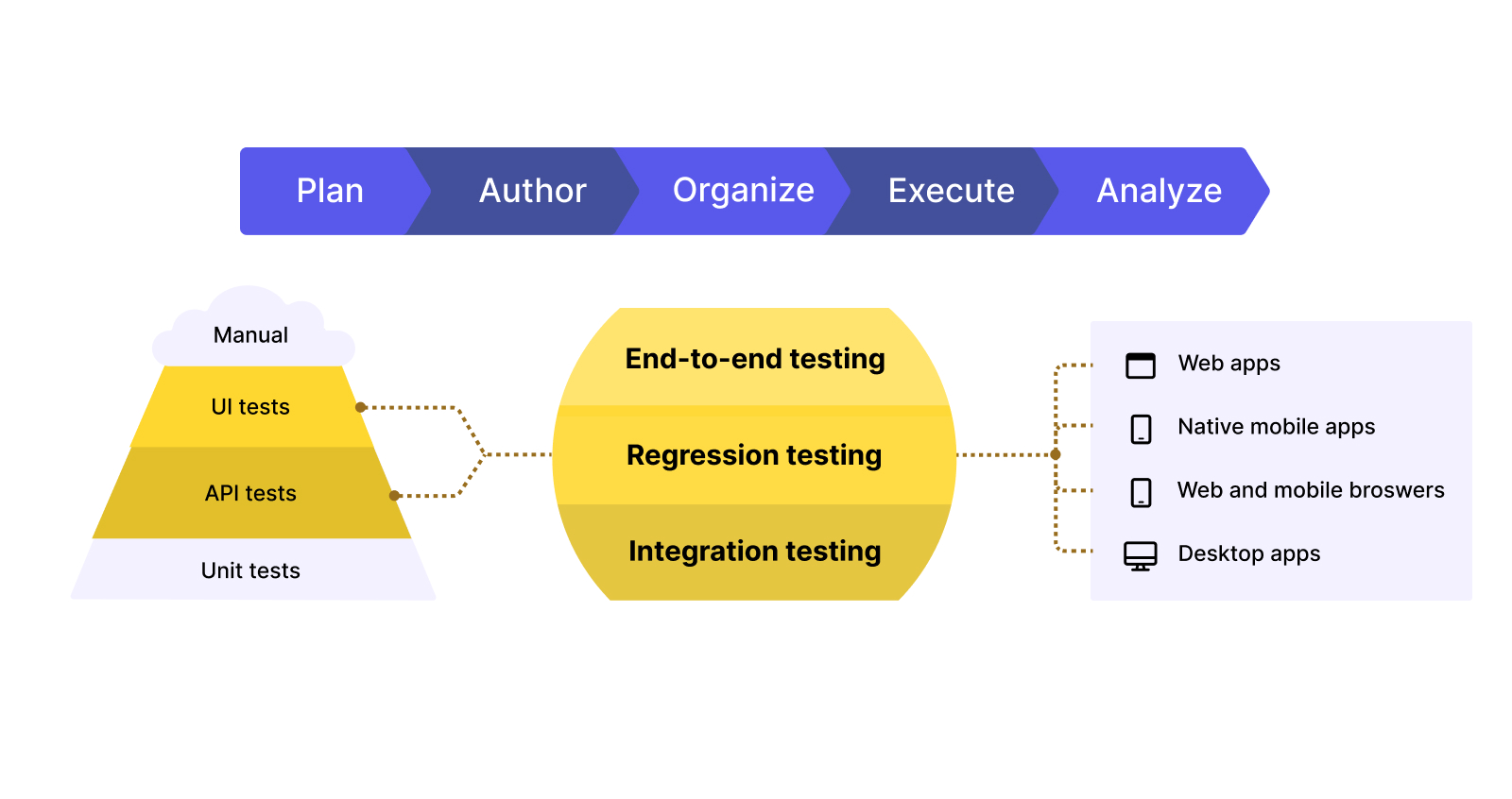
Understanding Shift-Left Testing
Shift-left testing refers to the practice of moving testing activities earlier in the SDLC. Instead of relegating testing to the final stages, this approach integrates quality assurance from the very beginning, starting with requirements gathering and design. By doing so, teams can identify and address defects before they escalate, ultimately leading to improved software quality and reduced costs.
Key Components of Shift-Left Testing
-
People: Successful implementation requires collaboration among developers, testers, and business stakeholders. This cross-functional teamwork fosters a culture of shared responsibility for quality.
-
Process: The shift-left approach necessitates a rethinking of existing processes. Agile methodologies, continuous integration, and automated testing play pivotal roles in ensuring that quality is embedded throughout the development cycle.
-
Tools: Leveraging the right tools is essential for effective shift-left testing. Automation frameworks, static code analysis tools, and CI/CD pipelines are integral to facilitating early testing and feedback.
The Benefits of Shift-Left Testing
Adopting a shift-left testing strategy offers numerous advantages that can significantly enhance software quality and team efficiency.
1. Early Bug Detection
One of the most significant benefits of shift-left testing is the ability to catch defects early in the development process. Research indicates that fixing a bug during the requirements phase is substantially cheaper than addressing it post-deployment. By identifying issues sooner, teams can avoid costly rework and delays.
2. Improved Collaboration
Shift-left testing encourages collaboration between development and QA teams. When testers are involved from the outset, they can provide valuable insights during the design phase, ensuring that the software is built with testability in mind. This collaborative environment fosters a culture of quality ownership among all team members.
3. Enhanced Software Quality
Integrating testing early in the SDLC leads to higher software quality. By continuously validating code against requirements, teams can ensure that the final product meets user expectations and is free from critical defects. This proactive approach minimizes the need for hotfixes and emergency patches.
4. Cost Efficiency
The financial implications of shift-left testing are profound. By addressing defects early, organizations can save significant amounts of money that would otherwise be spent on fixing issues later in the development cycle. This cost efficiency translates into better resource allocation and improved ROI.
5. Faster Time to Market
In an era where speed is paramount, shift-left testing enables teams to deliver software more quickly without sacrificing quality. By catching defects early and streamlining the testing process, organizations can accelerate their release cycles and respond to market demands more effectively.
Challenges in Implementing Shift-Left Testing
While the benefits of shift-left testing are compelling, organizations may encounter several challenges during implementation.
1. Cultural Resistance
Transitioning to a shift-left approach often requires a cultural shift within the organization. Developers and testers may be accustomed to traditional roles, and changing these dynamics can lead to resistance. Overcoming this challenge necessitates strong leadership and a commitment to fostering a collaborative culture.
2. Tool Integration
Integrating new tools into existing workflows can be daunting. Organizations may face difficulties in aligning legacy systems with modern testing frameworks. A well-planned strategy for tool integration is essential to ensure a seamless transition.
3. Skill Gaps
The shift-left approach demands new skills from both developers and testers. QA professionals may need to learn automation frameworks, while developers must adopt a mindset focused on quality. Investing in training and upskilling is crucial for successful implementation.
4. Test Maintenance Overhead
As the number of automated tests increases, so does the maintenance burden. Organizations must establish robust processes for managing test cases to prevent technical debt and ensure that tests remain relevant and effective.
Implementing Shift-Left Testing: A Step-by-Step Guide
To successfully implement shift-left testing, organizations can follow a structured approach.
Step 1: Involve QA Early
Encourage QA involvement from the very beginning of the project. This includes participating in requirements gathering and design discussions to ensure that testing considerations are integrated into the development process.
Step 2: Adopt Test Automation
Invest in test automation tools that facilitate early testing. Automated unit tests, integration tests, and API tests can be executed continuously, providing immediate feedback to developers.
Step 3: Leverage CI/CD Pipelines
Integrate testing into CI/CD pipelines to ensure that code is validated at every stage of development. This continuous feedback loop allows teams to catch defects before they reach production.
Step 4: Foster Collaboration
Promote a culture of collaboration between development and QA teams. Regular communication and joint planning sessions can help align goals and expectations, ultimately leading to better outcomes.
Step 5: Measure and Adapt
Establish key performance indicators (KPIs) to track the effectiveness of shift-left testing. Metrics such as defect detection rate, mean time to detect, and release frequency can provide valuable insights for continuous improvement.
The Role of Automation in Shift-Left Testing
Automation is a cornerstone of the shift-left testing framework. By automating repetitive tasks, teams can focus on more complex testing scenarios and improve overall efficiency.
Benefits of Test Automation
-
Speed: Automated tests can be executed quickly, allowing for faster feedback and shorter release cycles.
-
Consistency: Automation ensures that tests are executed consistently, reducing the risk of human error.
-
Scalability: As projects grow, automated tests can easily be scaled to accommodate increased complexity.
Tools for Test Automation
Several tools can facilitate test automation within a shift-left framework:
-
Selenium: A widely used tool for automating web applications.
-
Jest: A JavaScript testing framework that provides a simple way to write and run tests.
-
Cypress: An end-to-end testing framework that allows for fast and reliable testing of web applications.
Continuous Testing: The Next Step
Continuous testing is an extension of the shift-left approach, emphasizing the need for ongoing validation throughout the software development lifecycle. By integrating testing into every phase, organizations can ensure that quality is maintained from code to deployment.
Key Principles of Continuous Testing
-
Automation: Automate as many tests as possible to facilitate rapid feedback.
-
Integration: Integrate testing into CI/CD pipelines to ensure that code is validated continuously.
-
Monitoring: Implement monitoring tools to track application performance and user behavior in real-time.
Benefits of Continuous Testing
-
Faster Feedback: Continuous testing provides immediate feedback, allowing teams to address issues quickly.
-
Improved Quality: By validating code at every stage, organizations can maintain high-quality standards throughout the development process.
-
Reduced Risk: Continuous testing helps identify potential issues before they escalate, minimizing the risk of production failures.
The Future of Shift-Left Testing
As we look ahead to 2025, the shift-left testing framework will continue to evolve. Emerging technologies such as artificial intelligence and machine learning will play a significant role in shaping the future of quality assurance.
AI and Machine Learning in Testing
AI and machine learning can enhance testing processes by:
-
Predictive Analysis: Analyzing historical data to predict potential defects and prioritize testing efforts.
-
Test Case Generation: Automatically generating test cases based on code changes, reducing manual effort.
-
Intelligent Bug Triage: Identifying and categorizing bugs based on severity and impact, streamlining the resolution process.
How GenZ Solutions Implements Shift-Left Testing
At GenZ Solutions, we understand the importance of quality assurance in delivering exceptional software products. Our approach to shift-left testing involves:
-
Collaborative Culture: We foster a collaborative environment where developers and testers work together from the outset.
-
Automation First: We prioritize automation to ensure rapid feedback and efficient testing processes.
-
Continuous Improvement: We continuously measure and adapt our testing strategies to align with industry best practices and emerging technologies.
By embracing the shift-left testing framework, we empower our teams to deliver high-quality software that meets the needs of our clients and end-users.
Conclusion
The shift-left testing framework is not just a trend; it is a fundamental shift in how organizations approach quality assurance. By integrating testing early in the software development lifecycle, teams can enhance collaboration, improve software quality, and reduce costs. As we move towards 2025, the importance of shift-left testing will only continue to grow, driven by the need for speed, efficiency, and adaptability in an ever-changing digital landscape. Embracing this approach will position organizations for success in the future of software development.