

Beyond Automation: The Future of Continuous Testing in Cloud-Native Environments
In the rapidly evolving landscape of software development, the integration of cloud-native technologies and continuous testing practices is reshaping how organizations approach quality assurance. As we transition into a future dominated by cloud environments, the need for robust testing strategies that leverage automation and intelligent insights becomes paramount. This article delves into the transformative trends that are defining the future of continuous testing in cloud-native settings, exploring the tools, methodologies, and best practices that will empower teams to deliver high-quality software at unprecedented speeds.
The Shift to Cloud-Native Testing
Understanding Cloud-Native Testing
Cloud-native testing refers to the practice of executing tests in environments that are designed to leverage the full capabilities of cloud computing. This approach allows organizations to create scalable, flexible, and efficient testing processes that can adapt to the dynamic nature of modern software development. By utilizing cloud resources, teams can simulate real-world scenarios, ensuring that applications perform optimally under various conditions.
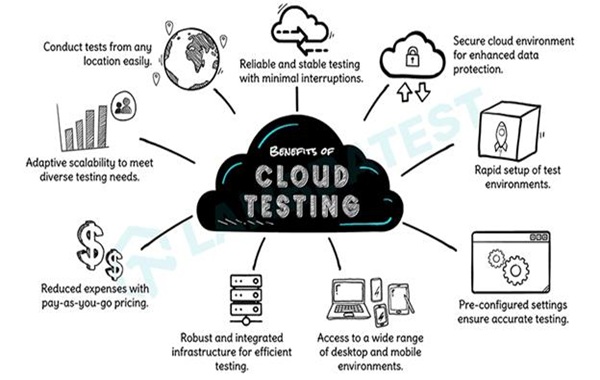
Benefits of Cloud-Native Testing
-
Scalability: Cloud-native testing environments can be easily scaled up or down based on demand, allowing teams to manage resources efficiently.
-
Cost-Effectiveness: By leveraging cloud infrastructure, organizations can reduce the costs associated with maintaining on-premises testing environments.
-
Faster Feedback Loops: Continuous testing in the cloud enables rapid feedback on code changes, facilitating quicker iterations and faster time-to-market.
The Role of Automation in Continuous Testing
Enhancing Efficiency with Automation
Automation has become a cornerstone of continuous testing, enabling teams to execute repetitive tasks with speed and accuracy. By automating test cases, organizations can free up valuable resources, allowing testers to focus on more complex scenarios that require human intervention.
Key Automation Strategies
-
Test Case Automation: Automating the execution of test cases ensures consistency and reduces the likelihood of human error.
-
Continuous Integration (CI): Integrating automated tests into the CI pipeline allows for immediate feedback on code changes, promoting a culture of quality.
-
Self-Healing Scripts: Advanced automation tools can adapt to changes in the application, reducing maintenance efforts and ensuring tests remain relevant.
Embracing AI and Machine Learning in Testing
The Rise of AI-Driven Testing
Artificial intelligence (AI) and machine learning (ML) are revolutionizing the testing landscape by providing insights that were previously unattainable. These technologies enable teams to predict potential issues, optimize test coverage, and enhance overall testing efficiency.
Applications of AI in Testing
-
Predictive Analytics: AI can analyze historical data to identify patterns and predict areas of risk within the codebase.
-
Smart Test Selection: Machine learning algorithms can determine which tests are most relevant based on recent code changes, optimizing testing efforts.
-
Automated Defect Detection: AI-powered tools can automatically identify defects in code, reducing the time spent on manual testing.
Continuous Testing in DevOps
Integrating Testing into DevOps Practices
The DevOps movement emphasizes collaboration between development and operations teams, and continuous testing plays a crucial role in this integration. By embedding testing into the DevOps pipeline, organizations can ensure that quality is maintained throughout the software development lifecycle.
Best Practices for Continuous Testing in DevOps
-
Shift-Left Testing: Implementing testing early in the development process helps identify issues sooner, reducing the cost of fixing defects.
-
Collaboration and Communication: Encouraging open communication between development, testing, and operations teams fosters a culture of shared responsibility for quality.
-
Automated Monitoring: Continuous monitoring of applications in production allows teams to detect and address issues in real-time.
The Future of Testing: Hyperautomation
What is Hyperautomation?
Hyperautomation refers to the combination of advanced technologies, including AI, machine learning, and robotic process automation (RPA), to automate complex business processes. In the context of testing, hyperautomation enables organizations to streamline their testing efforts and enhance overall efficiency.
Benefits of Hyperautomation in Testing
-
End-to-End Automation: Hyperautomation allows for the automation of entire testing workflows, from test case creation to execution and reporting.
-
Improved Accuracy: By minimizing human intervention, hyperautomation reduces the risk of errors and enhances the reliability of testing outcomes.
-
Faster Time-to-Market: Organizations can accelerate their release cycles by automating time-consuming testing processes.
Challenges in Cloud-Native Testing
Addressing Common Obstacles
While the benefits of cloud-native testing are significant, organizations must also navigate various challenges to fully realize its potential. Some common obstacles include:
-
Complexity of Cloud Environments: Managing multiple cloud services and configurations can complicate testing efforts.
-
Security Concerns: Ensuring the security of applications in cloud environments requires robust testing strategies to identify vulnerabilities.
-
Skill Gaps: Teams may need to upskill to effectively leverage cloud-native testing tools and methodologies.
Strategies for Overcoming Challenges
-
Invest in Training: Providing training and resources for teams can help bridge skill gaps and enhance testing capabilities.
-
Implement Robust Security Testing: Regular security assessments and vulnerability testing should be integrated into the testing process.
-
Utilize Cloud Management Tools: Leveraging tools that simplify cloud management can help streamline testing efforts.
The Importance of Continuous Monitoring
Real-Time Insights for Quality Assurance
Continuous monitoring is essential for maintaining the quality of applications in cloud-native environments. By monitoring applications in real-time, organizations can quickly identify and address issues before they impact users.
Key Monitoring Strategies
-
Performance Monitoring: Tracking application performance metrics helps teams identify bottlenecks and optimize resource allocation.
-
User Experience Monitoring: Gathering feedback from users allows organizations to make data-driven decisions to enhance the overall user experience.
-
Automated Alerts: Setting up automated alerts for critical issues ensures that teams can respond promptly to potential problems.
The Role of Collaboration in Testing
Fostering a Collaborative Culture
Collaboration between development, testing, and operations teams is vital for successful continuous testing. By fostering a culture of collaboration, organizations can enhance communication and streamline testing efforts.
Strategies for Enhancing Collaboration
-
Cross-Functional Teams: Creating cross-functional teams that include members from development, testing, and operations promotes shared ownership of quality.
-
Regular Stand-Up Meetings: Daily stand-up meetings encourage open communication and allow teams to address challenges in real-time.
-
Shared Tools and Resources: Utilizing shared tools for project management and communication can enhance collaboration and transparency.
The Future Landscape of Continuous Testing
Emerging Trends to Watch
As we look ahead, several trends are poised to shape the future of continuous testing in cloud-native environments:
-
Increased Adoption of AI and ML: Organizations will continue to leverage AI and ML to enhance testing efficiency and accuracy.
-
Expansion of Low-Code and No-Code Tools: The rise of low-code and no-code platforms will empower non-technical users to participate in testing efforts.
-
Greater Focus on Security Testing: As cyber threats become more sophisticated, organizations will prioritize security testing as an integral part of the development process.
Preparing for the Future
To stay ahead in the evolving landscape of continuous testing, organizations should:
-
Invest in Training and Development: Continuous learning and upskilling will be essential for teams to adapt to new technologies and methodologies.
-
Embrace Agile Practices: Adopting agile practices will enable organizations to respond quickly to changing market demands and user needs.
-
Foster a Culture of Innovation: Encouraging experimentation and innovation within teams will drive continuous improvement in testing practices.
Conclusion
The future of continuous testing in cloud-native environments is bright, filled with opportunities for organizations to enhance their software quality and delivery speed. By embracing automation, AI, and collaborative practices, teams can navigate the complexities of modern software development and deliver exceptional user experiences. As we move forward, organizations that prioritize continuous testing will not only stay competitive but also redefine the standards of software excellence in the digital age.
This article provides a comprehensive overview of the future of continuous testing in cloud-native environments, emphasizing the importance of automation, collaboration, and emerging technologies. By following the outlined strategies and best practices, organizations can position themselves for success in an increasingly complex software landscape.