

Agile QA Transformation: Frameworks That Deliver Faster Releases
In today’s fast-paced software development landscape, organizations are increasingly adopting Agile methodologies to enhance their delivery speed and product quality. Agile QA frameworks play a pivotal role in this transformation, enabling teams to integrate quality assurance throughout the development lifecycle rather than relegating it to the end. This article explores the essential components of Agile QA frameworks, their benefits, and best practices for implementing them effectively.
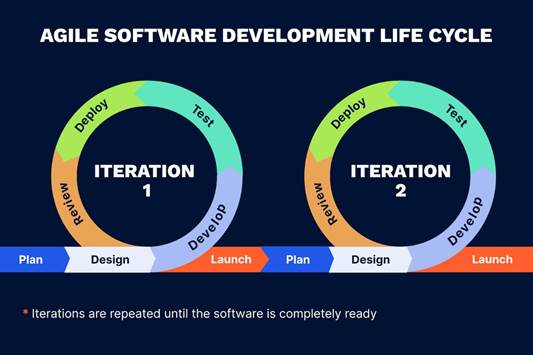
Understanding Agile QA Frameworks
Agile QA frameworks are structured approaches that integrate quality assurance into Agile development processes. They emphasize continuous testing, collaboration, and adaptability, ensuring that quality is a shared responsibility among all team members.
Key Principles of Agile QA
-
Early and Continuous Testing: Testing begins as soon as development starts, allowing teams to identify and address defects early in the process.
-
Collaboration Across Teams: QA professionals work closely with developers, product owners, and stakeholders to ensure alignment on requirements and quality expectations.
-
Iterative Feedback Loops: Regular feedback is gathered during each sprint, enabling teams to make necessary adjustments and improvements continuously.
Benefits of Agile QA Frameworks
-
Faster Time-to-Market: By integrating QA into the development process, teams can release features more frequently and with fewer defects.
-
Improved Product Quality: Continuous testing and collaboration lead to higher-quality products that meet user needs effectively.
-
Enhanced Team Morale: A shared responsibility for quality fosters a sense of ownership among team members, leading to increased job satisfaction.
The Agile Testing Lifecycle
The Agile testing lifecycle is a dynamic process that aligns with Agile development practices. It involves several key stages that ensure quality is maintained throughout the project.
Stages of the Agile Testing Lifecycle
-
Planning: Define the testing strategy, scope, and objectives based on user stories and acceptance criteria.
-
Design: Create test cases and scenarios that reflect the requirements and expected user behavior.
-
Execution: Conduct tests during each sprint, including unit tests, integration tests, and user acceptance tests.
-
Reporting: Document test results, defects, and feedback to inform future iterations.
-
Retrospective: Analyze the testing process and outcomes to identify areas for improvement.
Continuous Testing Strategy
A continuous testing strategy is essential for Agile QA frameworks. It involves automating tests and integrating them into the CI/CD pipeline, allowing for rapid feedback and quicker identification of defects.
-
Automation: Focus on automating repetitive and high-risk test cases to save time and resources.
-
Integration: Ensure that automated tests run with every code commit, providing immediate feedback to developers.
Sprint Testing Best Practices
Implementing effective sprint testing practices is crucial for the success of Agile QA frameworks. Here are some best practices to consider:
1. Involve QA from the Start
Engage QA professionals during the planning phase to ensure that testing requirements are considered from the outset. This collaboration helps in defining clear acceptance criteria and identifying potential risks early.
2. Prioritize Test Cases
Not all tests are created equal. Prioritize test cases based on risk and business value to focus on the most critical functionalities first. This approach ensures that high-impact areas receive the attention they deserve.
3. Embrace Exploratory Testing
In addition to scripted tests, incorporate exploratory testing to uncover defects that may not be captured by automated tests. This technique allows testers to use their creativity and intuition to identify potential issues.
4. Foster a Culture of Collaboration
Encourage open communication and collaboration between developers and QA teams. Regular stand-up meetings and sprint reviews provide opportunities for team members to share insights and address challenges collectively.
Implementing Agile QA Frameworks
Transitioning to Agile QA frameworks requires careful planning and execution. Here are some steps to guide your implementation:
1. Assess Current Processes
Evaluate your existing QA processes to identify areas for improvement. Consider factors such as test coverage, automation levels, and team collaboration.
2. Define Clear Objectives
Establish clear objectives for your Agile QA transformation. These goals should align with your overall business strategy and focus on enhancing product quality and delivery speed.
3. Invest in Training
Provide training and resources to help your team understand Agile principles and practices. This investment will empower team members to embrace their roles in the Agile QA process.
4. Leverage Tools and Technologies
Utilize tools that support Agile QA practices, such as test management software, automation frameworks, and CI/CD platforms. These tools can streamline your testing processes and enhance collaboration.
Challenges in Agile QA Transformation
While Agile QA frameworks offer numerous benefits, organizations may encounter challenges during the transformation process. Here are some common obstacles and strategies to overcome them:
1. Resistance to Change
Team members may be hesitant to adopt new practices. To address this, provide clear communication about the benefits of Agile QA and involve team members in the decision-making process.
2. Incomplete Requirements
Agile projects often involve evolving requirements, which can complicate testing efforts. Use living documentation and maintain close collaboration with stakeholders to ensure that testing aligns with the latest requirements.
3. Balancing Speed and Quality
The pressure to deliver quickly can lead to shortcuts in quality assurance. Establish a definition of "done" that includes quality metrics and ensure that all team members understand the importance of maintaining high standards.
Measuring Success in Agile QA
To evaluate the effectiveness of your Agile QA frameworks, it’s essential to track key performance indicators (KPIs). Here are some metrics to consider:
1. Defect Density
Measure the number of defects identified per module or feature. This metric helps assess the quality of the product and the effectiveness of your testing efforts.
2. Test Coverage
Evaluate the percentage of code covered by automated tests. High test coverage indicates a robust testing strategy and reduces the risk of defects in production.
3. Cycle Time
Track the time it takes to complete a user story from development to deployment. Shorter cycle times indicate a more efficient Agile QA process.
Conclusion
Agile QA frameworks are essential for organizations looking to enhance their software development processes. By integrating quality assurance throughout the Agile lifecycle, teams can deliver high-quality products faster and more efficiently. Embracing best practices, overcoming challenges, and measuring success will ensure that your Agile QA transformation is a success.
In a world where speed and quality are paramount, adopting Agile QA frameworks is not just a choice; it’s a necessity for staying competitive and meeting customer expectations. As we continue to evolve in our Agile journey, let’s commit to fostering a culture of quality that drives our success.